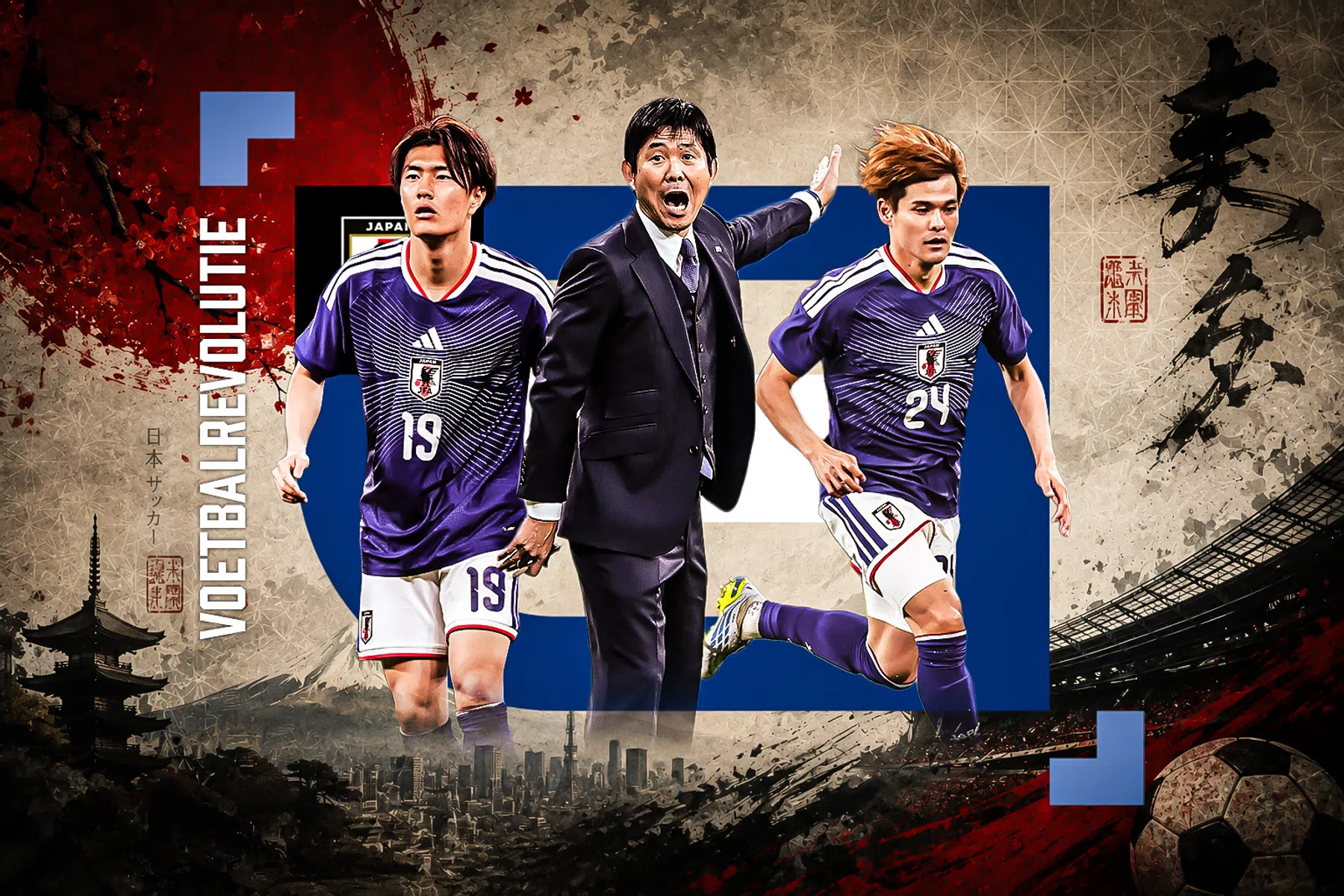
 Japan is scheduled to play in the World Cup for the sixth time in 2026. In 1994, however, Japan failed to qualify for the World Cup for the first time. This surprise was the result of the poor development of football in Japan at that time. After this tragedy, as Japan calls failure to qualify for the 1994 World Cup, football began to develop in a planned manner in Japan. October 28, 1993 is a date that will forever remain in Japanese football as a day of shame. On this day, the last qualifying match for the 1994 World Cup took place in Doha, the capital of Qatar. Japan then played against five other teams in the decisive qualifying round. Before the last match of this round, Japan was in first place in the table and was about to secure its first place in the history of the World Cup. However, in the match against Iraq, which was about to lose this place, Japan drew 2-2 and as a result of this draw did not enter the World Cup. This disastrous experience made Japan start to think about football very seriously. And in a planned way, not ad hoc. Any future successes of Japanese football would have to be based on solid foundations. Therefore, for example, after winning the 1992 Asian Nations Cup, in which Japan was the only non-Saudi Arabian participant to have participated in the tournament, Japan decided to introduce a professional league, which happened in 1993. But the league that was created was not supposed to be just any league, but a league that would attract fans. And here again the Japanese began to act in a planned manner. The league teams were to have stars that would attract fans to the stadiums. And so, in the first seasons, stars such as Kazu Miura and Masashi Nakayama started playing in the J-League, which is the name of the professional league in Japan. And in the following years, bigger foreign stars began to be attracted to the league, for example, in 1999, a star Dutch team consisting of players such as Ruud Gullit and Marco van Basten joined the J-League, and these players started playing in Japanese clubs. All this was compounded by the development of youth football, which also began to be developed in a planned manner in Japan. All these activities began to bear fruit and Japan played in the World Cup for the first time in 1998. And since 2002, i.e. since the joint hosting of the World Cup, Japan has become one of the reliable participants of the World Cup.
Players
The Japanese revolution in football
Japan is scheduled to play in the World Cup for the sixth time in 2026. In 1994, however, Japan failed to qualify for the World Cup for the first time. This surprise was the result of the poor development of football in Japan at that time. After this tragedy, as Japan calls failure to qualify for the 1994 World Cup, football began to develop in a planned manner in Japan.
15 czerwca 2026Biało-Czerwoni
Japan is scheduled to play in the World Cup for the sixth time in 2026. In 1994, however, Japan failed to qualify for the World Cup for the first time. This surprise was the result of the poor development of football in Japan at that time. After this tragedy, as Japan calls failure to qualify for the 1994 World Cup, football began to develop in a planned manner in Japan. October 28, 1993 is a date that will forever remain in Japanese football as a day of shame. On this day, the last qualifying match for the 1994 World Cup took place in Doha, the capital of Qatar. Japan then played against five other teams in the decisive qualifying round. Before the last match of this round, Japan was in first place in the table and was about to secure its first place in the history of the World Cup. However, in the match against Iraq, which was about to lose this place, Japan drew 2-2 and as a result of this draw did not enter the World Cup. This disastrous experience made Japan start to think about football very seriously. And in a planned way, not ad hoc. Any future successes of Japanese football would have to be based on solid foundations. Therefore, for example, after winning the 1992 Asian Nations Cup, in which Japan was the only non-Saudi Arabian participant to have participated in the tournament, Japan decided to introduce a professional league, which happened in 1993. But the league that was created was not supposed to be just any league, but a league that would attract fans. And here again the Japanese began to act in a planned manner. The league teams were to have stars that would attract fans to the stadiums. And so, in the first seasons, stars such as Kazu Miura and Masashi Nakayama started playing in the J-League, which is the name of the professional league in Japan. And in the following years, bigger foreign stars began to be attracted to the league, for example, in 1999, a star Dutch team consisting of players such as Ruud Gullit and Marco van Basten joined the J-League, and these players started playing in Japanese clubs. All this was compounded by the development of youth football, which also began to be developed in a planned manner in Japan. All these activities began to bear fruit and Japan played in the World Cup for the first time in 1998. And since 2002, i.e. since the joint hosting of the World Cup, Japan has become one of the reliable participants of the World Cup.CMS Newsroom