 It often happens that Adidas uses football culture off the pitch better than Nike. Adidas' recently designed away shirts were very popular in fashion and streetwear circles, especially among younger fans from football diasporas. Japan and Curacao national team jerseys have become not only team clothing, but also elements of identity.
Nike, on the other hand, takes advantage of this type of phenomena to a lesser extent. “It's very normal for young fans to follow at least four different national teams - they definitely pursue individual players and that translates into shirt sales,” says sports brand strategist James Kirkham. "Football and fashion are now completely intertwined. Whether players are wearing Huga or Jude Bellingham in Gucci, it's all intertwined. It's expected and normal - and football shirts are at the heart of it."
The earnings of the biggest football stars are also huge. According to Bloomberg, Cristiano Ronaldo has a contract with Nike worth almost $18 million a year, valid for ten years. “The FIFA World Cup is the biggest sporting event in the world, so it is very important for us as a sports brand to perform at our best,” said Adidas' Alt. “Success for Adidas, however, is not only about success at the FIFA World Cup, but also about supporting athletes in various disciplines, both at the grassroots level and at major events.”
“Football is extremely important to us,” said Nike's Andrade. "When the biggest soccer tournaments start, the data always reminds us of the same thing: soccer is still the most universal connector in the world. Billions versus millions. The world stops when these events begin. That's why, on a global scale, in terms of emotional intensity and cultural reach, soccer is unrivaled."
Let's not forget that both Nike and Adidas are companies that care most about profit, market share and revenue. Who sells more sportswear is a question we can't fully answer yet. We will only be able to answer this question after the end of the World Cup.
It often happens that Adidas uses football culture off the pitch better than Nike. Adidas' recently designed away shirts were very popular in fashion and streetwear circles, especially among younger fans from football diasporas. Japan and Curacao national team jerseys have become not only team clothing, but also elements of identity.
Nike, on the other hand, takes advantage of this type of phenomena to a lesser extent. “It's very normal for young fans to follow at least four different national teams - they definitely pursue individual players and that translates into shirt sales,” says sports brand strategist James Kirkham. "Football and fashion are now completely intertwined. Whether players are wearing Huga or Jude Bellingham in Gucci, it's all intertwined. It's expected and normal - and football shirts are at the heart of it."
The earnings of the biggest football stars are also huge. According to Bloomberg, Cristiano Ronaldo has a contract with Nike worth almost $18 million a year, valid for ten years. “The FIFA World Cup is the biggest sporting event in the world, so it is very important for us as a sports brand to perform at our best,” said Adidas' Alt. “Success for Adidas, however, is not only about success at the FIFA World Cup, but also about supporting athletes in various disciplines, both at the grassroots level and at major events.”
“Football is extremely important to us,” said Nike's Andrade. "When the biggest soccer tournaments start, the data always reminds us of the same thing: soccer is still the most universal connector in the world. Billions versus millions. The world stops when these events begin. That's why, on a global scale, in terms of emotional intensity and cultural reach, soccer is unrivaled."
Let's not forget that both Nike and Adidas are companies that care most about profit, market share and revenue. Who sells more sportswear is a question we can't fully answer yet. We will only be able to answer this question after the end of the World Cup.Players
2026 World Cup: Nike and Adidas fight for fans' attention
Nike and Adidas are competing fiercely for attention during the 2026 World Cup, investing huge sums in advertising campaigns featuring top athletes. Adidas appears to be making a better impression in New York as both brands use football culture to strengthen their marketing strategies.
21 czerwca 2026Biało-Czerwoni
The World Cup is all about numbers. Which team scored the most goals? Who scored enough points to advance to the knockout stages? It's similar in marketing - which brand has the highest market value? Simply put, who sells the most? It all comes down to numbers.
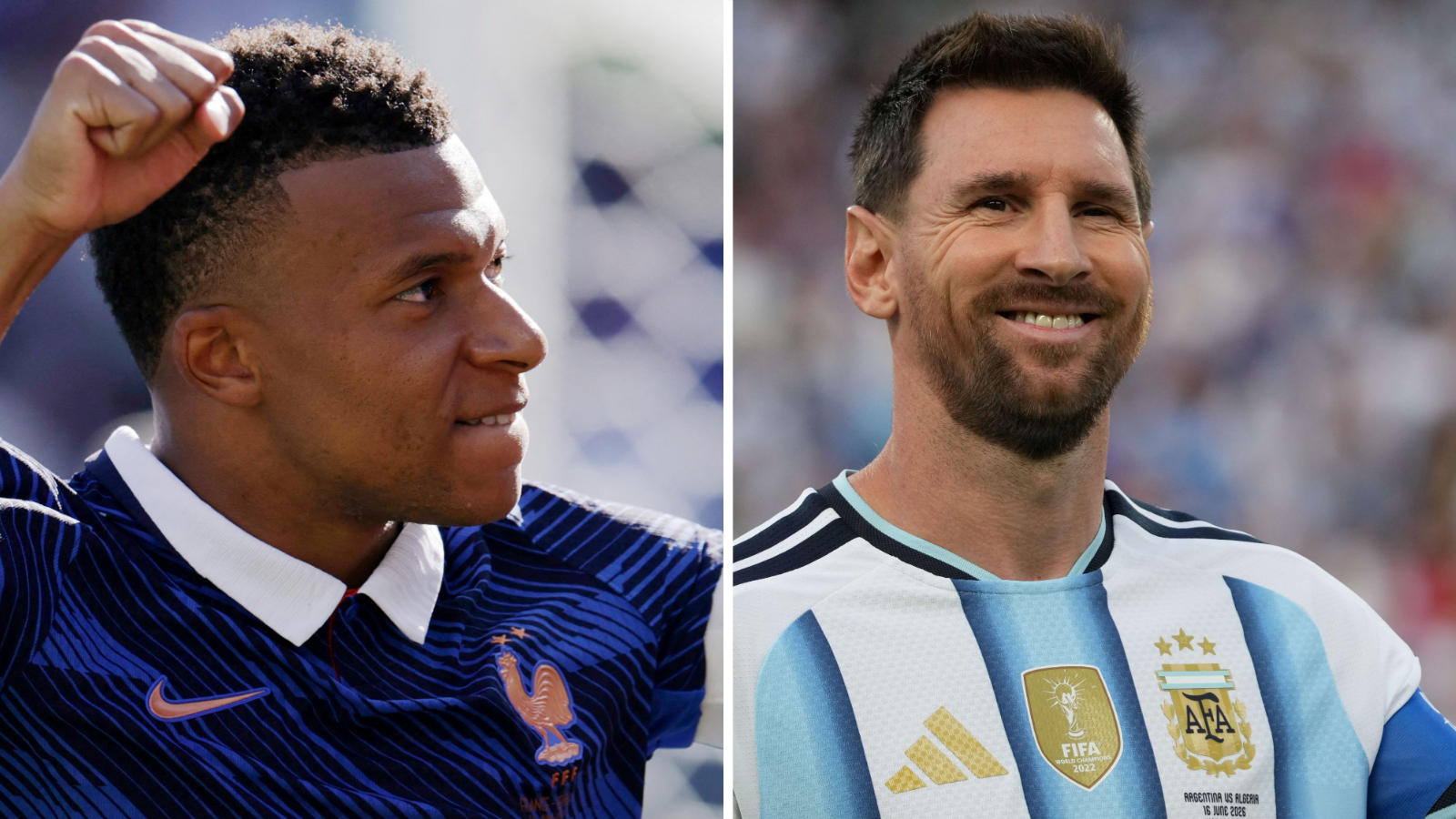
Kylian Mbappé, Erling Haaland, Cristiano Ronaldo and LeBron James are just some of the names featured in Nike's World Cup ad titled Rip the Script. In turn, Adidas did not spare the stars in the Backyard Legends campaign, including Lamin Yamal, Jude Bellingham, Lionel Messi and Zinedine Zidane. Even AI-created David Beckham appeared there. These ads look more like Hollywood blockbusters than traditional spots, and such stars don't come cheap. According to press reports, the German brand spent a staggering sum of 50 million pounds on its campaign. Neither company discloses exactly how much they spent (we asked), but you can be sure that the bills are in the tens of millions.
Huge budgets are nothing new, but this year both Nike and Adidas went all out like never before. If we were to judge based solely on YouTube views, Nike is the winner at this point. Their ad was viewed 76 million times, while Adidas' spot received approximately 7 million views. Camilo Andrade, vice president and general manager of Nike Global Football, said: "What has changed is the pace and shape of culture. In the digital age, stories travel faster, fragment more quickly and are reinterpreted. This means that the old model of one polished video doing all the work is no longer enough. With Rip The Script, we built something broader: a football universe that exists both online and in real life. For this campaign, success wasn't just about how how many people saw the film, but rather how we opened up the world for fans, players and creators to interpret, rework and develop it, when that starts happening, you know this work goes beyond advertising and becomes part of football culture.”
Adidas has been associated with the World Cup since 1970, when it created the iconic Telstar match ball for the tournament. Florian Alt, vice president of marketing communications at Adidas, said: "Our campaign, Backyard Legends, depicts a scene that is familiar to anyone who has played soccer - a local pitch, an undefeated team and the stories that become legends. In this campaign, we meet consumers where they are - whether they are watching on TV, following their favorite athletes on social media or engaging with the culture created around the sport."
The battle for attention at the 2026 World Cup has already begun, and Adidas appears to be making a better impression in New York. The contrast between the two brands' flagship stores in the city is striking. Adidas' SoHo store was completely wrapped in World Cup branding, with team jerseys and tournament merchandise prominently displayed. Opposite, in the Nike store, the main focus is, understandably, on the New York Knicks basketball team. However, this difference is not only noticeable in stores. Throughout Manhattan, Adidas branding is hard to miss, from dedicated World Cup outlets to smallerpromotional stands and advertisements in the city. Adidas' promotional campaigns also seem more ambitious, creating a stronger impression that the tournament is already in town.
It often happens that Adidas uses football culture off the pitch better than Nike. Adidas' recently designed away shirts were very popular in fashion and streetwear circles, especially among younger fans from football diasporas. Japan and Curacao national team jerseys have become not only team clothing, but also elements of identity.
Nike, on the other hand, takes advantage of this type of phenomena to a lesser extent. “It's very normal for young fans to follow at least four different national teams - they definitely pursue individual players and that translates into shirt sales,” says sports brand strategist James Kirkham. "Football and fashion are now completely intertwined. Whether players are wearing Huga or Jude Bellingham in Gucci, it's all intertwined. It's expected and normal - and football shirts are at the heart of it."
The earnings of the biggest football stars are also huge. According to Bloomberg, Cristiano Ronaldo has a contract with Nike worth almost $18 million a year, valid for ten years. “The FIFA World Cup is the biggest sporting event in the world, so it is very important for us as a sports brand to perform at our best,” said Adidas' Alt. “Success for Adidas, however, is not only about success at the FIFA World Cup, but also about supporting athletes in various disciplines, both at the grassroots level and at major events.”
“Football is extremely important to us,” said Nike's Andrade. "When the biggest soccer tournaments start, the data always reminds us of the same thing: soccer is still the most universal connector in the world. Billions versus millions. The world stops when these events begin. That's why, on a global scale, in terms of emotional intensity and cultural reach, soccer is unrivaled."
Let's not forget that both Nike and Adidas are companies that care most about profit, market share and revenue. Who sells more sportswear is a question we can't fully answer yet. We will only be able to answer this question after the end of the World Cup.
It often happens that Adidas uses football culture off the pitch better than Nike. Adidas' recently designed away shirts were very popular in fashion and streetwear circles, especially among younger fans from football diasporas. Japan and Curacao national team jerseys have become not only team clothing, but also elements of identity.
Nike, on the other hand, takes advantage of this type of phenomena to a lesser extent. “It's very normal for young fans to follow at least four different national teams - they definitely pursue individual players and that translates into shirt sales,” says sports brand strategist James Kirkham. "Football and fashion are now completely intertwined. Whether players are wearing Huga or Jude Bellingham in Gucci, it's all intertwined. It's expected and normal - and football shirts are at the heart of it."
The earnings of the biggest football stars are also huge. According to Bloomberg, Cristiano Ronaldo has a contract with Nike worth almost $18 million a year, valid for ten years. “The FIFA World Cup is the biggest sporting event in the world, so it is very important for us as a sports brand to perform at our best,” said Adidas' Alt. “Success for Adidas, however, is not only about success at the FIFA World Cup, but also about supporting athletes in various disciplines, both at the grassroots level and at major events.”
“Football is extremely important to us,” said Nike's Andrade. "When the biggest soccer tournaments start, the data always reminds us of the same thing: soccer is still the most universal connector in the world. Billions versus millions. The world stops when these events begin. That's why, on a global scale, in terms of emotional intensity and cultural reach, soccer is unrivaled."
Let's not forget that both Nike and Adidas are companies that care most about profit, market share and revenue. Who sells more sportswear is a question we can't fully answer yet. We will only be able to answer this question after the end of the World Cup.CMS Newsroom