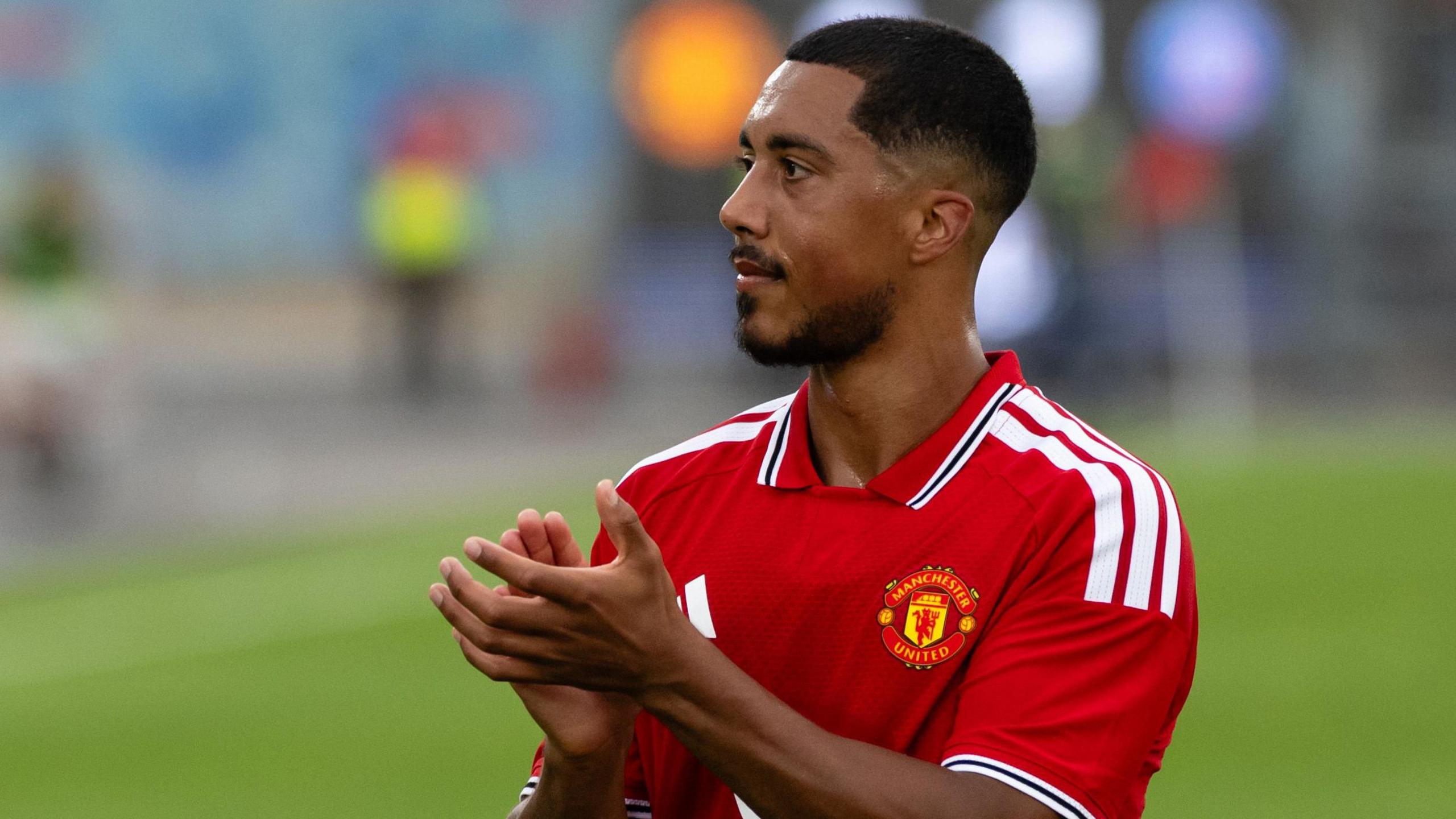
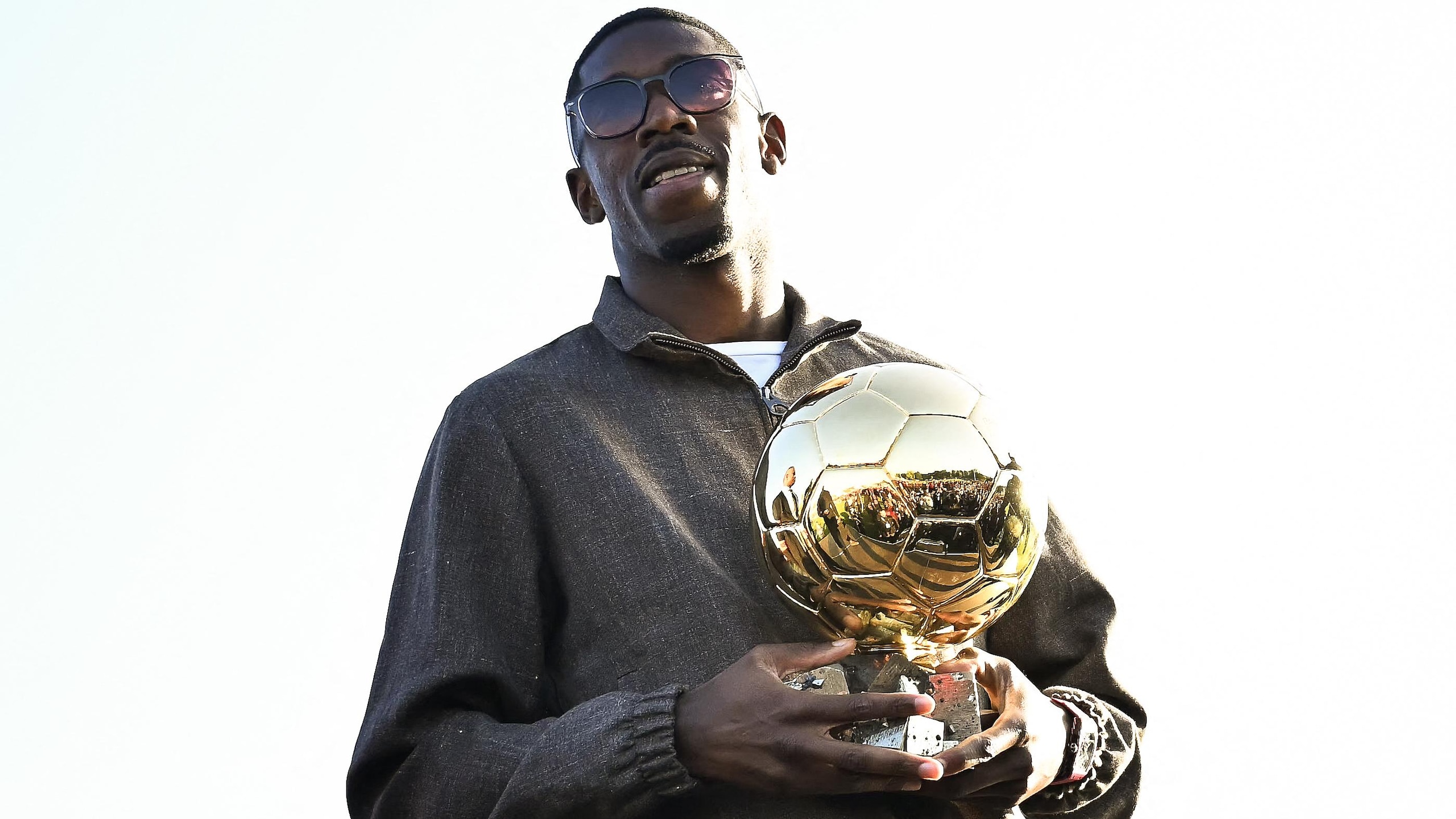
Francja i Norwegia head into their final group game level on points: two wins each, and both already through to the last 32. Their spearheads, Kylian Mbappe and Erling Haaland, are also level on four goals apiece. One is chasing Lionel Messi as the World Cup’s all-time leading scorer, while the other is announcing himself on the game’s biggest stage for the first time. Top spot will dictate their knockout opponent and send ripples through the bracket. But beyond the forwards, the two sides have played in contrasting styles against the same two opponents in their first two games. The numbers that emerge are intriguing and will shape how the fixture plays out on Friday night in Massachusetts. France have completed 58.6 per cent of their passes in the opposition half and 41.4 in their own. Norway’s split is the exact inverse: 58.6 in their own half and 41.4 in the opposition’s. A palindrome of completed passes tells us where the ball will spend a lot of its time, and gives us a clue as to who might take advantage. France have trained this week without their head coach while Didier Deschamps returned home to grieve the loss of his mother. With this set to be his final World Cup in charge, his side have quietly undergone their most significant tactical shift in years. In 2018, France ranked 22nd out of 32 teams for possessions won in the final third per 90 minutes; in 2022, they ranked 19th. At this World Cup, they have won the ball in the final third 14 times across two games — seven per 90 — with only Spain ahead of them. The change shows how their defensive philosophy has evolved, tracing a move from a deeper block to hunting the ball higher up the pitch. Michael Olise encapsulates the approach — in and out of possession. Three possessions won in the final third, the most of any France player, sit alongside three assists and five through balls, both competition highs. He glides into pockets, drives past opponents, and picks the pass nobody else sees. He might be the clearest expression of what Deschamps has built. Ousmane Dembele has been one of the most relentless pressers in European club football, and he has carried that intensity onto the international stage. Against Iraq, his zealous press forced a misplaced pass in the opposition’s half, winning possession to tee up Mbappe’s second. He added his first-ever World Cup goal later in the half. France have generated six high-turnover shots — only Ecuador have more — and converted two into goals, more than any side in the tournament. The mechanism behind the shift is structural. Deschamps has moved away from his preferred three-man midfield to a double pivot, accommodating four attacking players. It has given France a higher, more aggressive defensive line. Whether France can sustain this approach against heavier opposition remains the question. Against a high-flying Norway side, Friday offers the first real answer. Norway operate differently and must be wary of France’s two-pronged attacking threat. Where France press high and circulate the ball, Norway absorb pressure in their own half before accelerating towards the box. Their 92.9 per cent passing accuracy in their own half drops to 76.4 in the opposition’s. That gap reflects their intent: Norway are patient and secure behind the halfway line, then become deliberately direct once they cross it. The approach is underlined by the 200 passes that have ended in the final third across their two games. Nearly one in seven of their successful opposition-half passes go straight into the box — close to double France’s rate. They have managed just two build-up attacks to France’s 12. Their four direct attacks tell the truer story — only eight teams in this tournament have more. The reason for their verticality, and their urgency to get into the opposition box, is the gravitational pull of Erling Haaland. Haaland has scored four goals at this World Cup, but the number that best captures how Norway use him is different. He has completed just 10 passes in 180 minutes — the fewest of any outfield player with more than 155 minutes at this tournament. Only Canada’s Cyle Larin takes a higher share of touches inside the opposition box. Haaland occupies that space, and Norway’s approach is built around finding him. The main providers are Martin Odegaard and Julian Ryerson. Ryerson is unlikely to feature after being forced off against Senegal with a right thigh injury, a significant blow to Norway’s delivery from wide areas. Odegaard carries the creative burden. He supplies roughly 20 per cent of Norway’s successful final-third passes and, against Iraq, four of Norway’s eight passes that broke through the opposition’s defensive structure came from Odegaard — as many as the entire Iraq team managed combined. Friday night brings together two of the tournament’s most lethal attacks, yet neither side arrives with a secure rearguard. Norway have failed to keep a clean sheet in either game, while France’s defensive structure has looked unfamiliar in patches — a backline that remains, by and large, untested at this level of opposition. France will look to limit Odegaard on the ball, cutting off Norway’s supply before it reaches the box. For Norway, playing through or around France’s press — rather than resorting to long balls — will be critical. If they can retain possession without falling prey to France’s pressure, they will gain real belief for the knockouts.
---
## Related Articles
1. [Mundial 2026](https://azkalsgoal.com/fil/news/chavez-at-quinones-nilagay-ang-mexico-sa-landas-para-sa-kauna-unahang-tatlong-panalo-sa-group-stage-ng-world-cup)
2. [Mundial 2026](https://banthangvn.com/vi/news/ousmane-dembele-ghi-ban-thang-thu-hai-nhanh-nhat-trong-lich-su-world-cup-giup-phap-thang-4-1-truoc-na-uy)
Francja i Norwegia head into their final group game level on points: two wins each, and both already through to the last 32. Their spearheads, Kylian Mbappe and Erling Haaland, are also level on four goals apiece. One is chasing Lionel Messi as the World Cup’s all-time leading scorer, while the other is announcing himself on the game’s biggest stage for the first time. Top spot will dictate their knockout opponent and send ripples through the bracket. But beyond the forwards, the two sides have played in contrasting styles against the same two opponents in their first two games. The numbers that emerge are intriguing and will shape how the fixture plays out on Friday night in Massachusetts. France have completed 58.6 per cent of their passes in the opposition half and 41.4 in their own. Norway’s split is the exact inverse: 58.6 in their own half and 41.4 in the opposition’s. A palindrome of completed passes tells us where the ball will spend a lot of its time, and gives us a clue as to who might take advantage. France have trained this week without their head coach while Didier Deschamps returned home to grieve the loss of his mother. With this set to be his final World Cup in charge, his side have quietly undergone their most significant tactical shift in years. In 2018, France ranked 22nd out of 32 teams for possessions won in the final third per 90 minutes; in 2022, they ranked 19th. At this World Cup, they have won the ball in the final third 14 times across two games — seven per 90 — with only Spain ahead of them. The change shows how their defensive philosophy has evolved, tracing a move from a deeper block to hunting the ball higher up the pitch. Michael Olise encapsulates the approach — in and out of possession. Three possessions won in the final third, the most of any France player, sit alongside three assists and five through balls, both competition highs. He glides into pockets, drives past opponents, and picks the pass nobody else sees. He might be the clearest expression of what Deschamps has built. Ousmane Dembele has been one of the most relentless pressers in European club football, and he has carried that intensity onto the international stage. Against Iraq, his zealous press forced a misplaced pass in the opposition’s half, winning possession to tee up Mbappe’s second. He added his first-ever World Cup goal later in the half. France have generated six high-turnover shots — only Ecuador have more — and converted two into goals, more than any side in the tournament. The mechanism behind the shift is structural. Deschamps has moved away from his preferred three-man midfield to a double pivot, accommodating four attacking players. It has given France a higher, more aggressive defensive line. Whether France can sustain this approach against heavier opposition remains the question. Against a high-flying Norway side, Friday offers the first real answer. Norway operate differently and must be wary of France’s two-pronged attacking threat. Where France press high and circulate the ball, Norway absorb pressure in their own half before accelerating towards the box. Their 92.9 per cent passing accuracy in their own half drops to 76.4 in the opposition’s. That gap reflects their intent: Norway are patient and secure behind the halfway line, then become deliberately direct once they cross it. The approach is underlined by the 200 passes that have ended in the final third across their two games. Nearly one in seven of their successful opposition-half passes go straight into the box — close to double France’s rate. They have managed just two build-up attacks to France’s 12. Their four direct attacks tell the truer story — only eight teams in this tournament have more. The reason for their verticality, and their urgency to get into the opposition box, is the gravitational pull of Erling Haaland. Haaland has scored four goals at this World Cup, but the number that best captures how Norway use him is different. He has completed just 10 passes in 180 minutes — the fewest of any outfield player with more than 155 minutes at this tournament. Only Canada’s Cyle Larin takes a higher share of touches inside the opposition box. Haaland occupies that space, and Norway’s approach is built around finding him. The main providers are Martin Odegaard and Julian Ryerson. Ryerson is unlikely to feature after being forced off against Senegal with a right thigh injury, a significant blow to Norway’s delivery from wide areas. Odegaard carries the creative burden. He supplies roughly 20 per cent of Norway’s successful final-third passes and, against Iraq, four of Norway’s eight passes that broke through the opposition’s defensive structure came from Odegaard — as many as the entire Iraq team managed combined. Friday night brings together two of the tournament’s most lethal attacks, yet neither side arrives with a secure rearguard. Norway have failed to keep a clean sheet in either game, while France’s defensive structure has looked unfamiliar in patches — a backline that remains, by and large, untested at this level of opposition. France will look to limit Odegaard on the ball, cutting off Norway’s supply before it reaches the box. For Norway, playing through or around France’s press — rather than resorting to long balls — will be critical. If they can retain possession without falling prey to France’s pressure, they will gain real belief for the knockouts.
---
## Related Articles
1. [Mundial 2026](https://azkalsgoal.com/fil/news/chavez-at-quinones-nilagay-ang-mexico-sa-landas-para-sa-kauna-unahang-tatlong-panalo-sa-group-stage-ng-world-cup)
2. [Mundial 2026](https://banthangvn.com/vi/news/ousmane-dembele-ghi-ban-thang-thu-hai-nhanh-nhat-trong-lich-su-world-cup-giup-phap-thang-4-1-truoc-na-uy)Players
Kluczowe statystyki i wątki przed meczem Norwegia – Francja
Francja i Norwegia zmierzą się w kluczowym meczu grupy Mistrzostw Świata, w którym rozstrzygnie się, która z drużyn zajmie pierwsze miejsce w grupie.
27 czerwca 2026Biało-Czerwoni
Francja i Norwegia head into their final group game level on points: two wins each, and both already through to the last 32. Their spearheads, Kylian Mbappe and Erling Haaland, are also level on four goals apiece. One is chasing Lionel Messi as the World Cup’s all-time leading scorer, while the other is announcing himself on the game’s biggest stage for the first time. Top spot will dictate their knockout opponent and send ripples through the bracket. But beyond the forwards, the two sides have played in contrasting styles against the same two opponents in their first two games. The numbers that emerge are intriguing and will shape how the fixture plays out on Friday night in Massachusetts. France have completed 58.6 per cent of their passes in the opposition half and 41.4 in their own. Norway’s split is the exact inverse: 58.6 in their own half and 41.4 in the opposition’s. A palindrome of completed passes tells us where the ball will spend a lot of its time, and gives us a clue as to who might take advantage. France have trained this week without their head coach while Didier Deschamps returned home to grieve the loss of his mother. With this set to be his final World Cup in charge, his side have quietly undergone their most significant tactical shift in years. In 2018, France ranked 22nd out of 32 teams for possessions won in the final third per 90 minutes; in 2022, they ranked 19th. At this World Cup, they have won the ball in the final third 14 times across two games — seven per 90 — with only Spain ahead of them. The change shows how their defensive philosophy has evolved, tracing a move from a deeper block to hunting the ball higher up the pitch. Michael Olise encapsulates the approach — in and out of possession. Three possessions won in the final third, the most of any France player, sit alongside three assists and five through balls, both competition highs. He glides into pockets, drives past opponents, and picks the pass nobody else sees. He might be the clearest expression of what Deschamps has built. Ousmane Dembele has been one of the most relentless pressers in European club football, and he has carried that intensity onto the international stage. Against Iraq, his zealous press forced a misplaced pass in the opposition’s half, winning possession to tee up Mbappe’s second. He added his first-ever World Cup goal later in the half. France have generated six high-turnover shots — only Ecuador have more — and converted two into goals, more than any side in the tournament. The mechanism behind the shift is structural. Deschamps has moved away from his preferred three-man midfield to a double pivot, accommodating four attacking players. It has given France a higher, more aggressive defensive line. Whether France can sustain this approach against heavier opposition remains the question. Against a high-flying Norway side, Friday offers the first real answer. Norway operate differently and must be wary of France’s two-pronged attacking threat. Where France press high and circulate the ball, Norway absorb pressure in their own half before accelerating towards the box. Their 92.9 per cent passing accuracy in their own half drops to 76.4 in the opposition’s. That gap reflects their intent: Norway are patient and secure behind the halfway line, then become deliberately direct once they cross it. The approach is underlined by the 200 passes that have ended in the final third across their two games. Nearly one in seven of their successful opposition-half passes go straight into the box — close to double France’s rate. They have managed just two build-up attacks to France’s 12. Their four direct attacks tell the truer story — only eight teams in this tournament have more. The reason for their verticality, and their urgency to get into the opposition box, is the gravitational pull of Erling Haaland. Haaland has scored four goals at this World Cup, but the number that best captures how Norway use him is different. He has completed just 10 passes in 180 minutes — the fewest of any outfield player with more than 155 minutes at this tournament. Only Canada’s Cyle Larin takes a higher share of touches inside the opposition box. Haaland occupies that space, and Norway’s approach is built around finding him. The main providers are Martin Odegaard and Julian Ryerson. Ryerson is unlikely to feature after being forced off against Senegal with a right thigh injury, a significant blow to Norway’s delivery from wide areas. Odegaard carries the creative burden. He supplies roughly 20 per cent of Norway’s successful final-third passes and, against Iraq, four of Norway’s eight passes that broke through the opposition’s defensive structure came from Odegaard — as many as the entire Iraq team managed combined. Friday night brings together two of the tournament’s most lethal attacks, yet neither side arrives with a secure rearguard. Norway have failed to keep a clean sheet in either game, while France’s defensive structure has looked unfamiliar in patches — a backline that remains, by and large, untested at this level of opposition. France will look to limit Odegaard on the ball, cutting off Norway’s supply before it reaches the box. For Norway, playing through or around France’s press — rather than resorting to long balls — will be critical. If they can retain possession without falling prey to France’s pressure, they will gain real belief for the knockouts.
---
## Related Articles
1. [Mundial 2026](https://azkalsgoal.com/fil/news/chavez-at-quinones-nilagay-ang-mexico-sa-landas-para-sa-kauna-unahang-tatlong-panalo-sa-group-stage-ng-world-cup)
2. [Mundial 2026](https://banthangvn.com/vi/news/ousmane-dembele-ghi-ban-thang-thu-hai-nhanh-nhat-trong-lich-su-world-cup-giup-phap-thang-4-1-truoc-na-uy)CMS Newsroom