World Cup 2026: How Morocco won the battle for Dutch-born talent
The upcoming World Cup match between the Netherlands and Morocco highlights the changing dynamics of identity and nationality in football, particularly in the context of players of Moroccan origin born in the Netherlands.
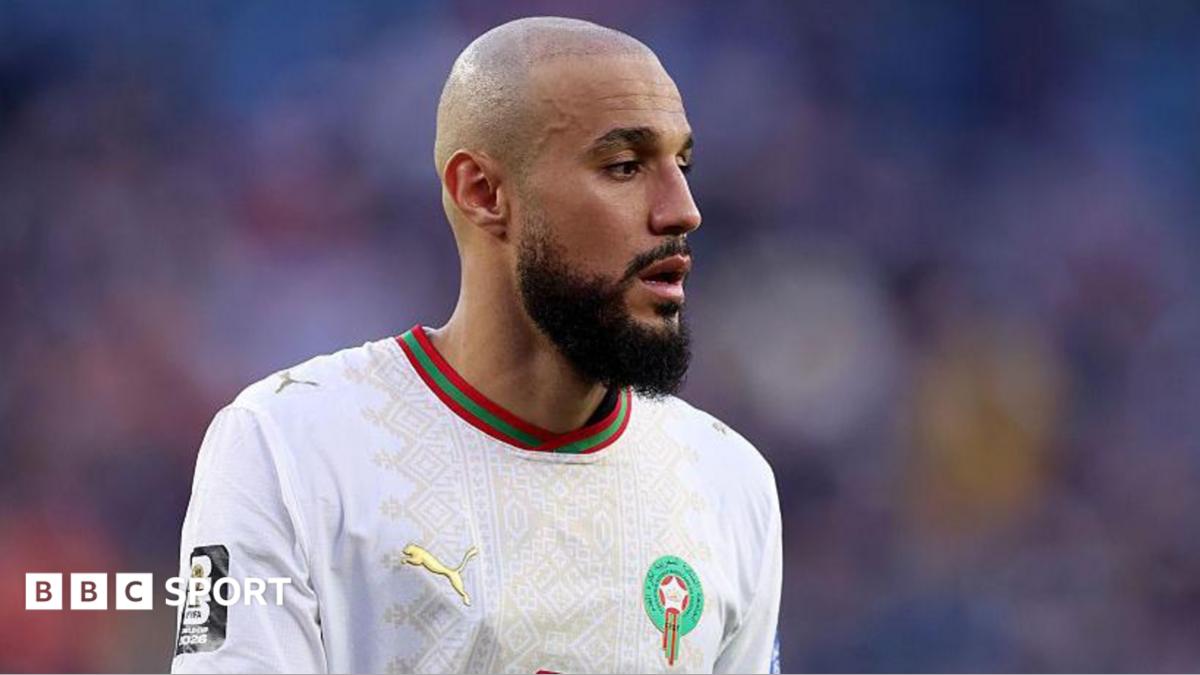
The World Cup is more than just football. Every four years, they become a meeting place for history, migration and identity, where national teams tell stories that go far beyond the pitch. Some countries export ideas, others export players, and an increasing number of them do both at the same time. Few matches at the 2026 World Cup reflect this intersectionality more than the Netherlands-Morocco clash. On paper, this is one of the most interesting matches of the last 32. The Netherlands arrive in Monterrey undefeated after finishing top of Group F with seven points and scoring 10 goals, their best result in the World Cup group stage. Morocco also advanced unbeaten, finishing behind Brazil only on goal difference after taking seven points in a group consisting of Scotland and Haiti. However, the importance of this match goes deeper than the tournament tables. Football does not exist in isolation from society. Questions of identity, belonging and heritage have become increasingly prominent in Europe, and few international rivalries illustrate these themes more than this one. For decades, the Netherlands has been a natural destination for footballers born on Dutch soil with Moroccan roots. If a player of Moroccan origin was good enough for Oranje, it was assumed that he would choose the Netherlands. This assumption no longer exists. The story begins with Dries Boussatt. Born in Amsterdam's De Baarsjes district, he became the first Dutch footballer of Moroccan descent to represent the Netherlands when Frank Rijkaard gave him his debut against Germany in November 1998. There were no major doubts about his international future at the time because Morocco had never approached him. Boussatta later appeared in two matches for Morocco after earning just three caps for the Netherlands, which was made possible by FIFA's qualifying regulations at the time as his appearances for Oranje only came in friendly matches. Reducing contemporary change to politics alone would miss the point. For many footballers with dual nationality, the decision has always been deeply personal - shaped by family, culture and opportunity as much as by passports or public debates. However, the relationship between the Dutch and Moroccan football federations has changed fundamentally. The scale of this change is extraordinary. Almost one in four players at the 2026 World Cup was born outside the country they represent. Eight of the tournament's 48 teams have at least as many foreign-born players as domestically born, showing how modern international football increasingly reflects migration patterns. Few nations embody this evolution more than Morocco. Nineteen of Mohamed Ouahbi's 26-person squad were born outside the country. During the group stage draw with Brazil, Morocco became the first team in World Cup history to field an entire foreign-born eleven. This is not a case of demography. More than a decade ago, the Royal Moroccan Football Federation began investing heavily in identifying talent with dual nationality across Europe. Scouts were deployed in France, Belgium, Spain and the Netherlands - not only to monitor promising young players, but to strengthen bonds with themand their families long before international adult football became a reality. Former Moroccan technical director Pim Verbeek later explained that the recruitment involved much more than just the player. Family, he argued, often played as important a role as football in shaping a player's decisions. These policies transformed Morocco's international fortunes. During the 2018 World Cup, five members of their squad were born in the Netherlands. Four years later, when Morocco became the first African country to reach the World Cup semi-finals, it had 14 foreign-born players in its 26-man squad. Changes rarely happen all at once. In the years after Boussatta, players such as Khalid Boulahrouz and Ibrahim Afellay continued to choose the Netherlands - attracted by the prospect of competing in one of the traditional powerhouses of international football. At the same time, Morocco systematically changed its approach - establishing close ties with players with dual nationality long before call-ups to the senior national team became a reality. The background to this situation goes beyond football. Moroccan migration to the Netherlands accelerated through labor contracts in the late 1960s, before family reunification transformed temporary workers into permanent communities. Today, hundreds of thousands of Dutch citizens have Moroccan roots, creating generations whose sense of belonging extends to both countries. International football, however, requires one choice. For one player, the answer is the Netherlands. For another - Morocco. None of these decisions necessarily mean rejection of the other country. More often than not, it's an affirmation of where home feels strongest. This may be Morocco's greatest achievement. The question is no longer why the Dutch footballer would choose the Lions of Atlas. More and more often, the question is why someone assumes they will choose differently. Thirty-two years after Dennis Bergkamp inspired the Netherlands' victory over Morocco at the World Cup in the United States, the soccer dynamic between the two countries looks very different. The Netherlands remains one of the great exporters of talent and ideas in football. Morocco has become one of the most sophisticated recruiters. Their meeting at the World Championships in Monterrey is more than just a place in the round of 16. It's the latest chapter in the history of modern football, where nationality is no longer obvious, heritage is no longer secondary and two countries connected by decades of migration now meet on football's biggest stage.
Related Articles
CMS Newsroom